España
  English
 日本語
日本語
 Deutsch



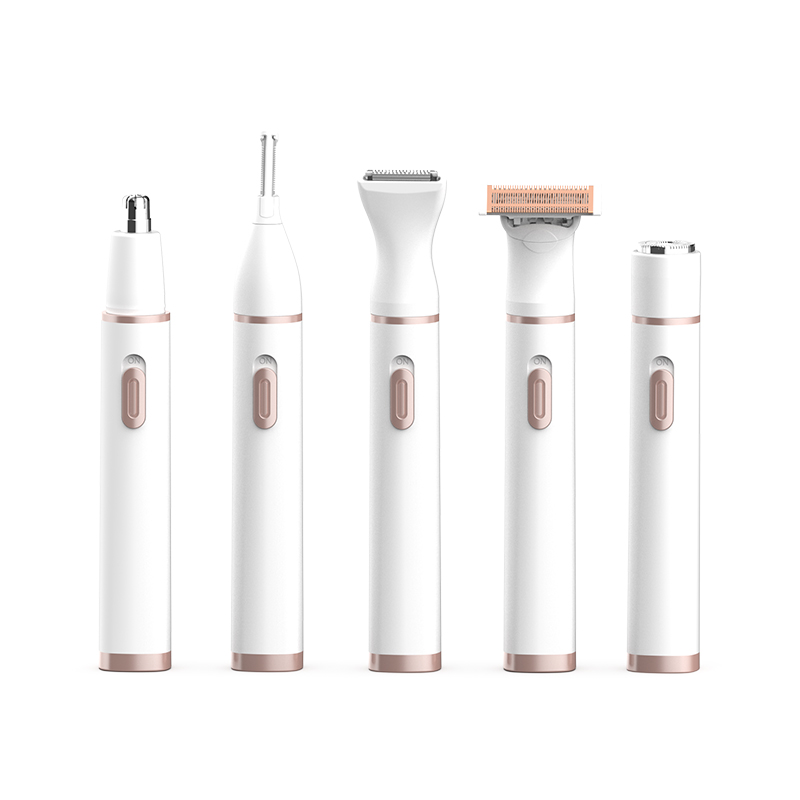
Respuesta rápida: El removedor de vello facial adecuado depende completamente de su tipo de cabello: el vello fino (pelusa de melocotón) responde mejor a las herramientas de dermaplaning y a las recortadoras eléctricas indoloras, mientras que el vello terminal grueso requiere depiladoras o cera para obtener resultados más duraderos. Para las mujeres que buscan opciones portátiles e indoloras, las afeitadoras faciales eléctricas con luces LED ofrecen el mejor equilibrio entre comodidad y eficacia para el mantenimiento diario.
Elegir lo perfecto removedor de vello facial Puede resultar abrumador con la gran cantidad de opciones disponibles en la actualidad. Ya sea que esté lidiando con vello rebelde en el labio superior, bigotes no deseados en la barbilla o una fina pelusa color melocotón en las mejillas, seleccionar la herramienta adecuada para su tipo de cabello específico es esencial para lograr resultados suaves y sin irritación. Esta guía completa lo guiará a través de todo lo que necesita saber para seleccionar el ideal sin dolor , portátil Solución de depilación facial adaptada a sus necesidades únicas.
Contenido
- Comprender su tipo de vello facial: la base de una selección inteligente
- Comparación completa: métodos de depilación facial por tipo de cabello
- Recomendaciones específicas del método por tipo de cabello
- Consideraciones especiales para pieles sensibles
- Costo versus conveniencia: hacer la inversión adecuada
- Preguntas frecuentes (FAQ)
- P1: ¿El vello facial volverá a crecer más grueso o más oscuro después de usar un removedor de vello?
- P2: ¿Cuál es el método de depilación facial más indoloro para las mujeres?
- P3: ¿Cómo elijo entre una depiladora y una depilación con cera para el vello facial áspero?
- P4: ¿Puedo utilizar el mismo método de depilación en todo el rostro?
- P5: ¿Los removedores de vello facial portátiles son tan efectivos como los dispositivos de tamaño completo?
- P6: ¿Con qué frecuencia debo reemplazar las cuchillas o los cabezales de mi removedor de vello facial?
- P7: ¿Es seguro utilizar productos de depilación facial si tengo acné o piel sensible?
- P8: ¿Puede la depilación facial mejorar mi aplicación de maquillaje?
- Recomendaciones finales: tu guía de selección personalizada
Comprender su tipo de vello facial: la base de una selección inteligente
Información clave: Antes de invertir en cualquier dispositivo de depilación facial, debes identificar tu tipo de vello. El vello facial generalmente se divide en dos categorías: vello (fino, pelusa de color melocotón claro) y vello terminal (grueso, oscuro y más prominente). Comprender esta distinción determinará si necesita una herramienta de dermaplaning suave o un dispositivo de depilación más potente.
Tipo 1: Cabello Fino Vello (Pelusa de Melocotón)
Mejor solución: Las mujeres con vello facial fino y claro deben optar por herramientas dermaplaning o recortadoras eléctricas suaves. Estos sin dolor Estos métodos eliminan eficazmente la pelusa de melocotón y al mismo tiempo exfolian las células muertas de la piel, dejando el cutis más brillante y suave. Según los expertos en dermatología, el dermaplaning es particularmente beneficioso para todo tipo de piel y crea un mejor lienzo para la aplicación del maquillaje.
el portátil La naturaleza de las herramientas modernas de dermaplaning las hace perfectas para retoques sobre la marcha. Muchos dispositivos ahora cuentan con luces LED incorporadas para iluminar incluso los pelos más finos, asegurando que ninguna pelusa perdida pase desapercibida. Al seleccionar una herramienta para el vello, busque hojas de acero inoxidable con bordes microfinos que se deslicen sin esfuerzo sobre la piel sin causar irritación.
Tipo 2: Cabello terminal grueso
Mejor solución: Para el vello facial más oscuro y grueso, común en el labio superior, el mentón y las patillas, las depiladoras y la cera brindan resultados más duraderos al eliminar el vello desde la raíz. Si bien estos métodos pueden causar molestias temporales, los modernos sin dolor Los dispositivos de depilación con diseños ergonómicos y múltiples configuraciones de velocidad han reducido significativamente el factor del dolor.
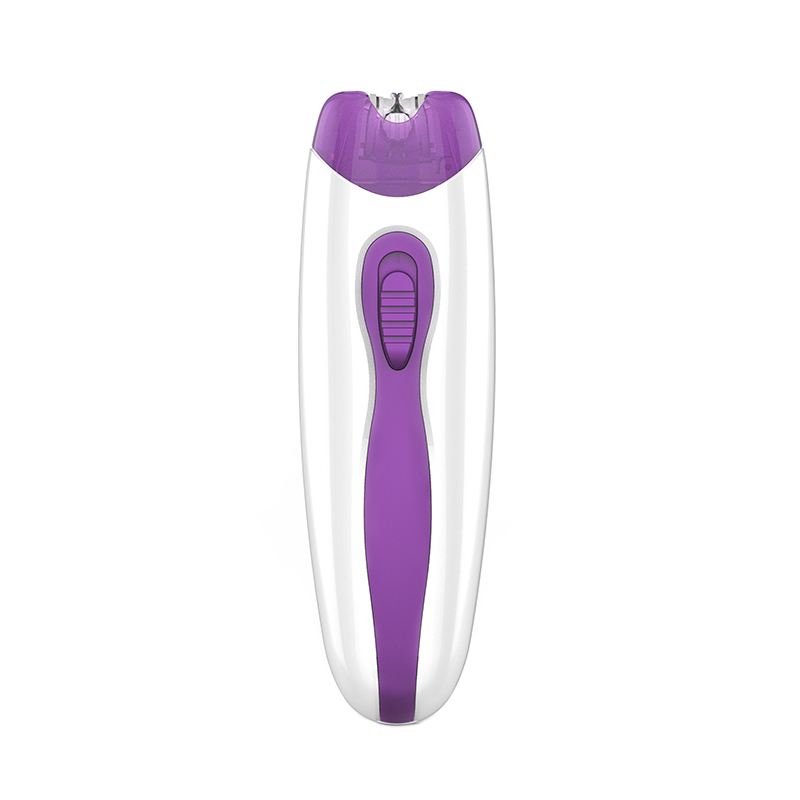
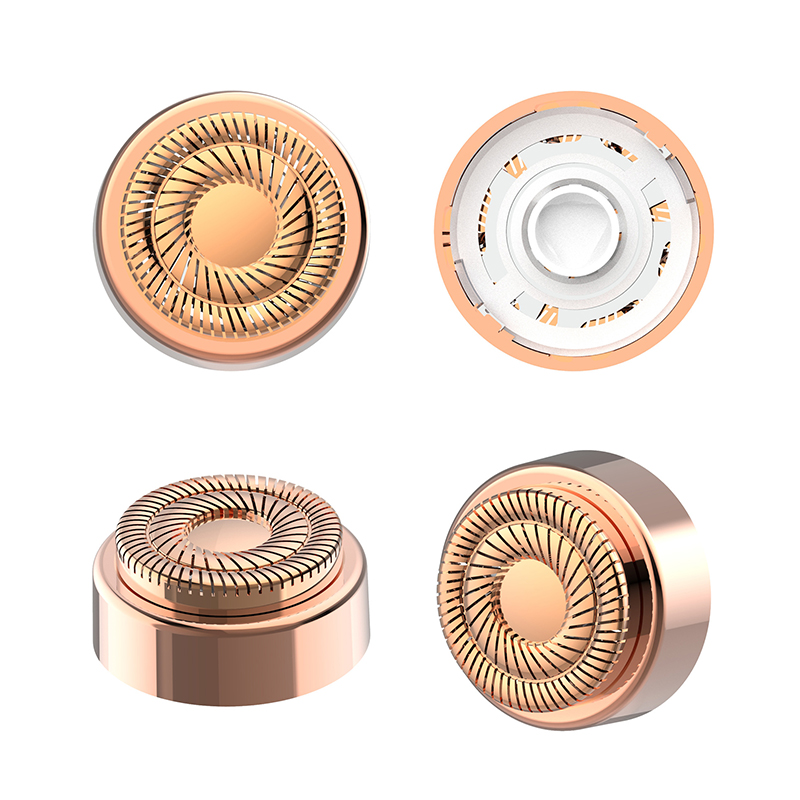
Las mujeres con vello áspero deberían considerar las depiladoras eléctricas diseñadas específicamente para uso facial. Estos dispositivos cuentan con cabezales más pequeños y accesorios de precisión que apuntan a los pelos individuales sin dañar la piel circundante. Para aquellos que buscan portátil soluciones, las mini depiladoras con baterías recargables ofrecen resultados de nivel profesional en cualquier lugar y en cualquier momento.
Comparación completa: métodos de depilación facial por tipo de cabello
Descripción general: Para ayudarlo a tomar una decisión informada, hemos compilado una comparación detallada de los métodos de depilación facial más populares, evaluando su efectividad en diferentes tipos de cabello, niveles de dolor y factores de conveniencia.
| Método | Lo mejor para el tipo de cabello | Nivel de dolor | Duración de los resultados | Portabilidad |
| Dermaplaning | Pelo velloso fino, pelusa de melocotón. | Sin dolor | 1-2 semanas | Muy portátil y apto para viajes |
| Recortadoras eléctricas | Todo tipo de vello (eliminación superficial) | Sin dolor | 3-7 días | Extremadamente portátil, de bolsillo |
| Depilación | Pelo terminal grueso | moderado | 3-4 semanas | Portátil, funciona con pilas |
| Depilación/azúcar | Cabello medio a grueso | moderado-High | 2-4 semanas | Menos portátil, requiere configuración |
| Cremas Depilatorias | Cabello fino a medio | Sin dolor | 1-2 semanas | Portátil, pero requiere acceso al agua. |
| pinzas | Pelos gruesos individuales | moderado | 3-6 semanas | Altamente portátil, de bolsillo |
Recomendaciones específicas del método por tipo de cabello
1. Dermaplaning: el estándar de oro para Peach Fuzz
Por qué funciona: El dermaplaning implica el uso de una navaja de afeitar de una sola hoja sobre la piel seca para eliminar la capa superior de células muertas y vellos finos. Este método es completamente sin dolor y proporciona resultados inmediatos que dejan la piel con un aspecto radiante y una sensación increíblemente suave.
Para las mujeres con piel sensible, el cepillado con aceite ofrece una alternativa más suave. Al aplicar un aceite facial antes de usar la herramienta dermaplaning, la afeitadora se desliza más fácilmente y reduce el riesgo de irritación. Esta técnica es especialmente beneficiosa para pieles maduras o con tendencia a enrojecerse.
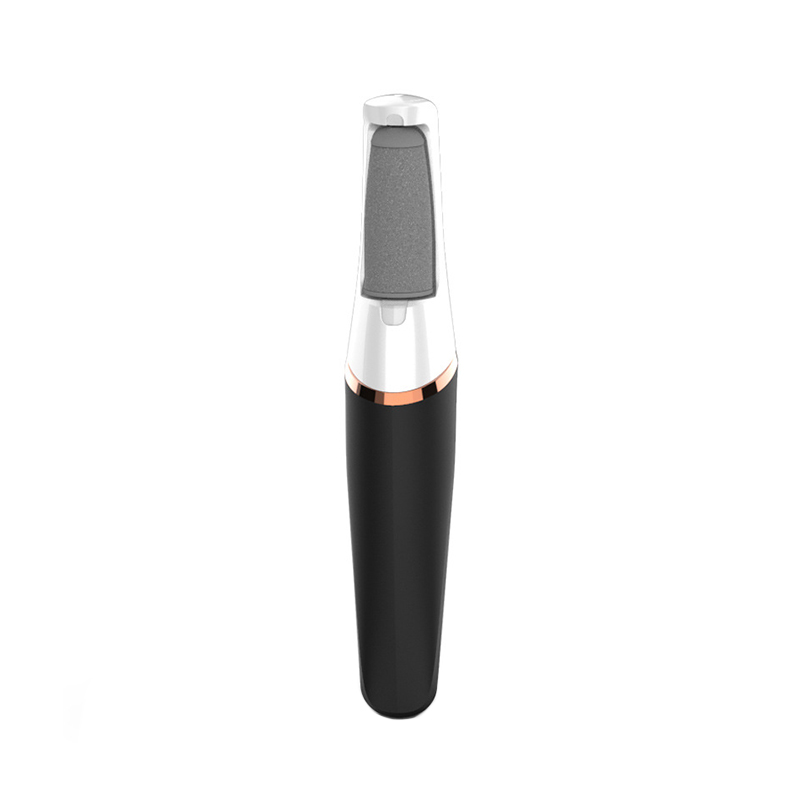
Al seleccionar una herramienta de dermaplaning, busque portátil Opciones con cuchillas reemplazables. Los dispositivos de alta calidad cuentan con hojas de acero inoxidable con bordes de seguridad para evitar rasguños y al mismo tiempo proporcionar un afeitado apurado. Muchos editores recomiendan usar estas herramientas cada dos semanas para obtener resultados óptimos, aunque el uso mensual aún puede evitar que el maquillaje se forme bolitas y mejorar la absorción del cuidado de la piel.
2. Afeitadoras faciales eléctricas: la solución diaria indolora
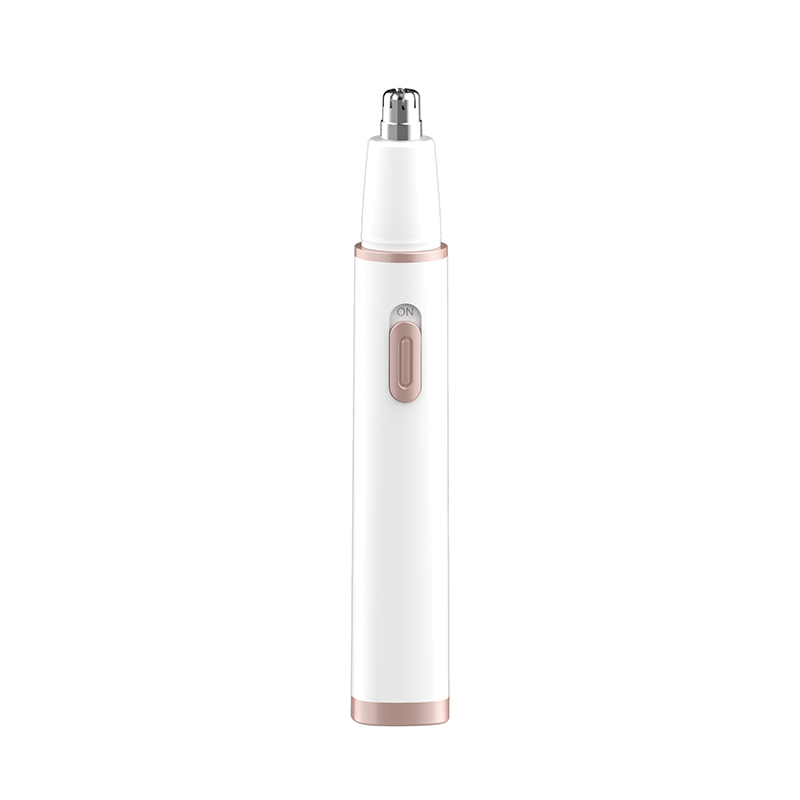
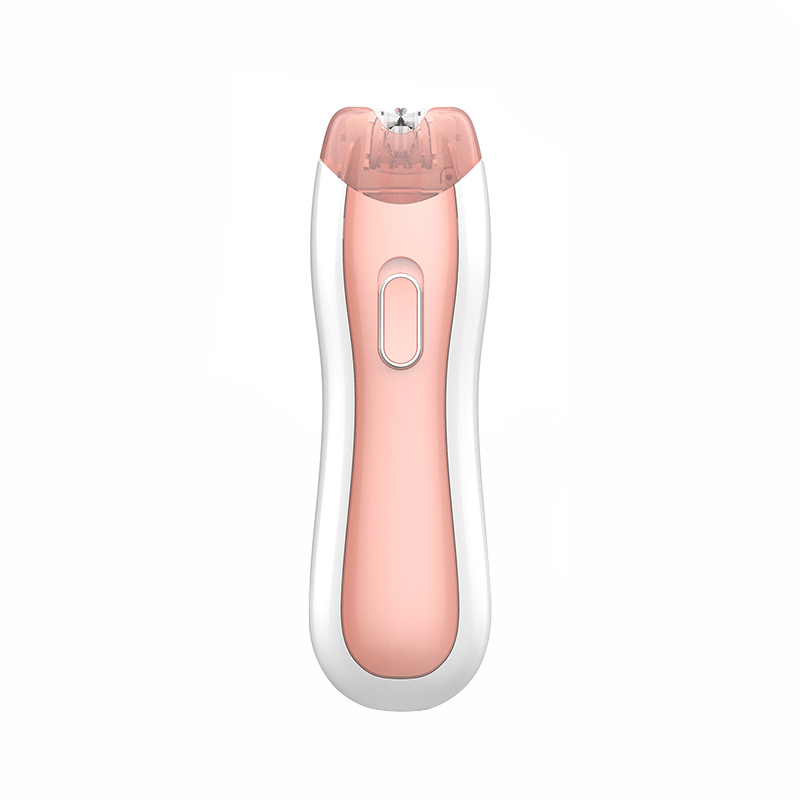
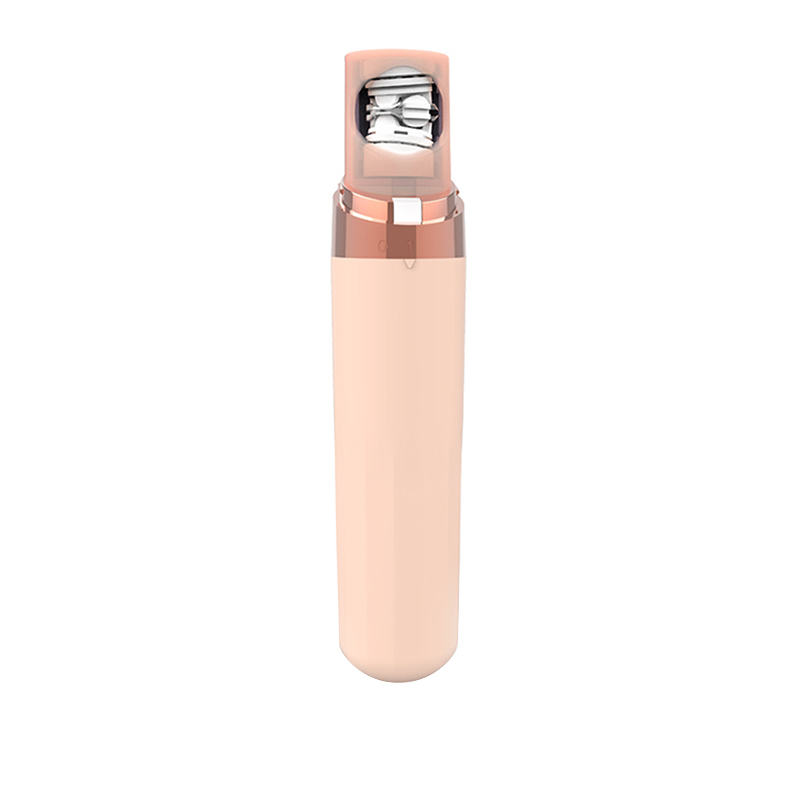
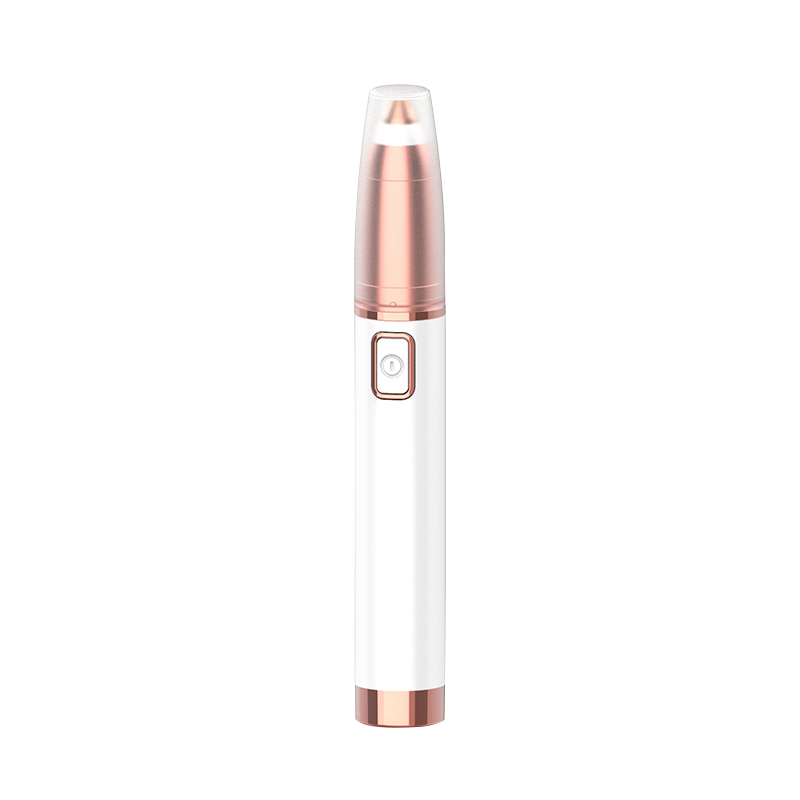
Mejor para: Mujeres que buscan rapidez, sin dolor , y portátil Depilación para mantenimiento diario. Estos dispositivos son sólo un poco más grandes que los tubos de lápiz labial, pero tienen un poder impresionante para eliminar el vello facial no deseado.
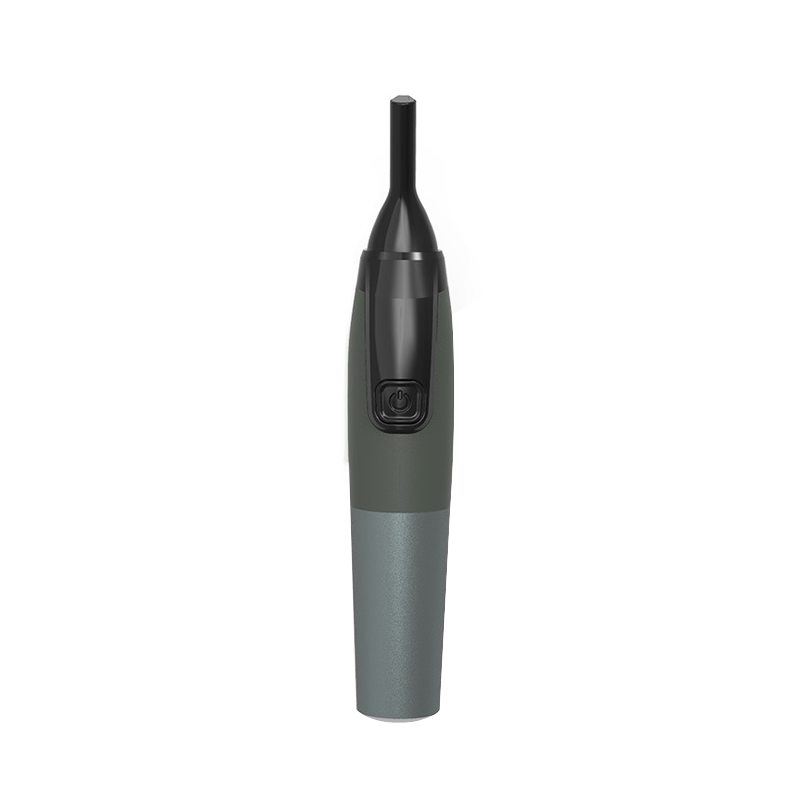
Las afeitadoras faciales eléctricas modernas cuentan con focos puntuales para guiarte, cabezales de acero inoxidable hipoalergénicos para pieles sensibles y diseños compactos que caben fácilmente en los bolsos para retoques sobre la marcha. Si bien estos recortadores no eliminan el vello desde la raíz (lo que significa que la barba incipiente puede aparecer más rápido que con la depilación con cera), ofrecen una comodidad inigualable y cero molestias.
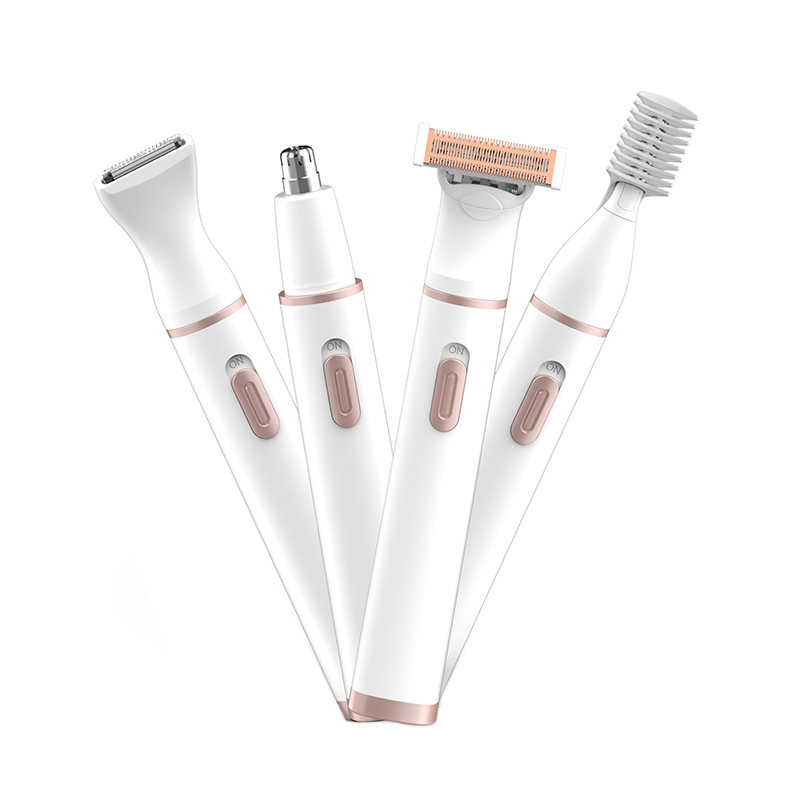
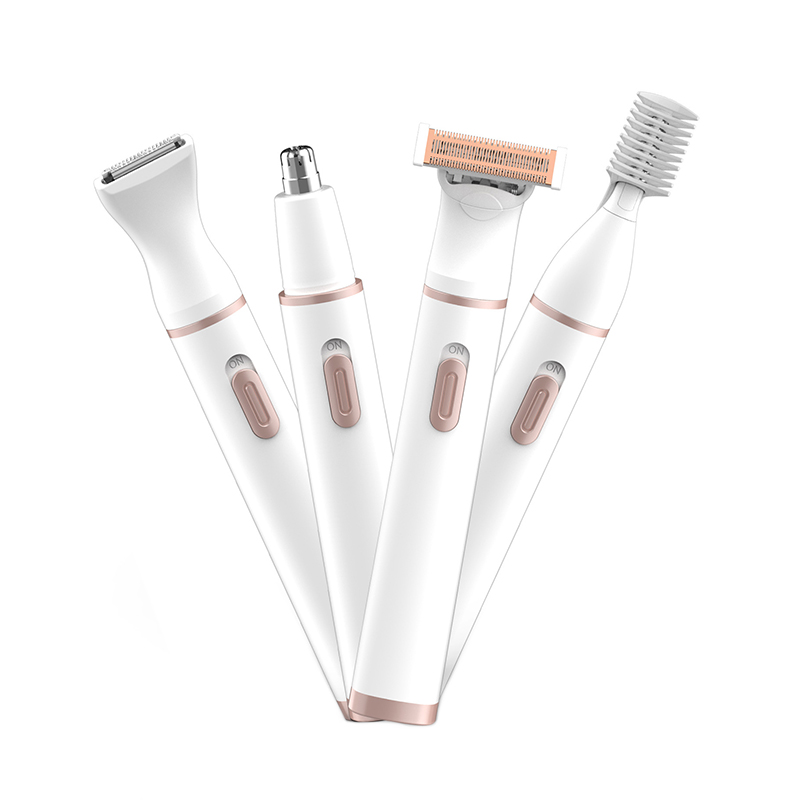
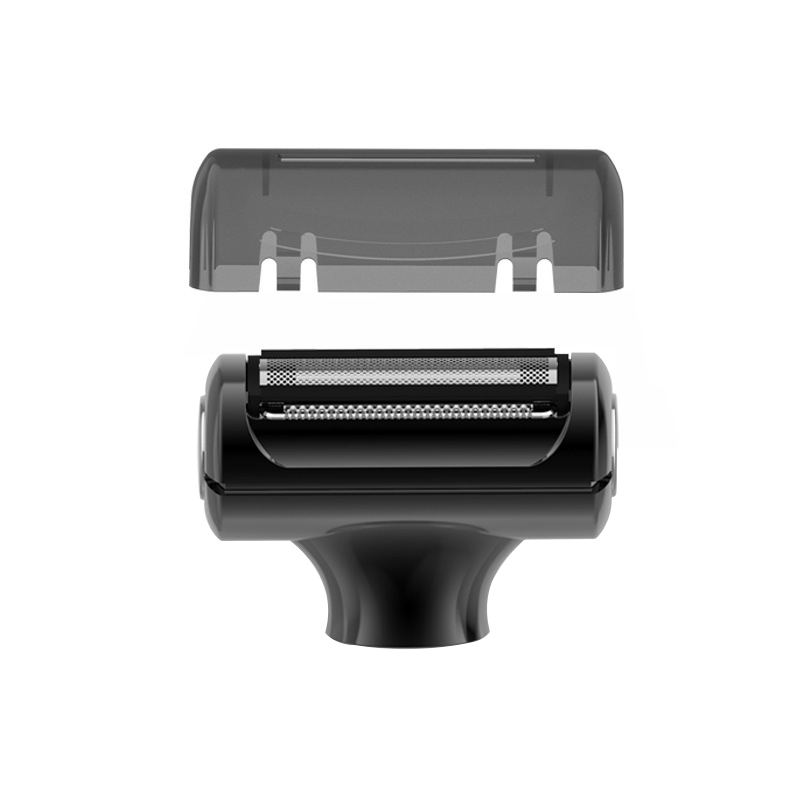
Para las mujeres con tipos de cabello combinados, tanto finos como gruesos, las cortadoras eléctricas con múltiples accesorios brindan versatilidad. Los accesorios de peine ayudan a adaptar la longitud del recorte, mientras que los cabezales de precisión ofrecen márgenes suaves para el cuidado de las cejas sin eliminar completamente el vello.
3. Depilación: resultados duraderos para el cabello áspero
el Investment Choice: Las depiladoras funcionan como pinzas motorizadas, arrancando varios pelos de la raíz simultáneamente. Si bien la sensación inicial puede ser incómoda, los resultados duran mucho más que los métodos de eliminación superficial: generalmente de 2 a 4 semanas de piel suave.
Para sin dolor experiencias de depilación, busque dispositivos con las siguientes características:
- Múltiples configuraciones de velocidad para ajustarse a diferentes espesores de cabello
- Cabezales de pinzas más anchos para una extracción más rápida en áreas más grandes
- Luces LED integradas para detectar pelos finos
- Diseños ergonómicos que se adaptan a las curvas faciales.
- Cabezales lavables para un mantenimiento higiénico
Las depiladoras son particularmente efectivas para el vello terminal áspero del mentón y el labio superior. Cuanto mayor sea el número de pinzas en el cabezal del dispositivo, más rápido y eficiente será el proceso de depilación. Muchas mujeres descubren que la depilación regular conduce a un crecimiento más fino con el tiempo, lo que hace que las sesiones posteriores sean más cómodas.
4. Depilación con cera y azúcar: resultados profesionales en casa
Mejor para: Mujeres que desean resultados con calidad de salón sin gastos recurrentes. La depilación con cera elimina tanto el vello como el vello terminal sacándolos del bulbo, lo que da como resultado un crecimiento más lento en comparación con el afeitado o las cremas depilatorias.
Las tiras de cera prefabricadas ofrecen una portátil Solución sencilla y sin complicaciones para la depilación facial. Estas tiras contienen ingredientes calmantes como aloe vera y aceite de aguacate para minimizar la irritación. Para las personas con piel sensible, el azúcar presenta una alternativa más suave: utilizar una pasta hecha con ingredientes naturales como azúcar, jugo de limón y agua que solo se adhiere al cabello, no a la piel.
Al depilarse con cera en casa, asegúrese de que el cabello tenga aproximadamente entre un cuarto y tres cuartos de pulgada de largo para una adhesión óptima. Siempre pruebe la temperatura de la cera en su muñeca antes de aplicarla sobre la piel del rostro y evite la depilación con cera si usa productos con retinol o está tomando Accutane.
5. Cremas depilatorias: la solución química
el Quick Fix: Las cremas depilatorias utilizan productos químicos para descomponer el vello en la base del folículo, lo que permite limpiarlo limpiamente. Oferta de formulaciones modernas enriquecidas con leche de coco, colágeno, aceite de almendras y manzanilla. sin dolor eliminación en tan solo 4-10 minutos.
else creams work best on fine to medium facial hair and are particularly convenient for upper lip, chin, and sideburn areas. Look for formulas with built-in applicators for precise, mess-free application. However, women with sensitive skin, acne, eczema, or psoriasis should avoid depilatory creams as the chemicals can cause significant irritation.
Realice siempre una prueba de parche 24 horas antes de la aplicación completa y nunca exceda el tiempo de procesamiento recomendado para evitar quemaduras químicas.
Consideraciones especiales para pieles sensibles
Consejos críticos: Las mujeres con piel sensible requieren especial cuidado al seleccionar los métodos de depilación facial. Según los expertos en dermatología, el afeitado y el recorte eléctrico ofrecen los menores efectos secundarios y, en general, son seguros para los tipos de piel sensibles.
Para sin dolor Eliminación sin irritación:
- Limpie siempre el área a fondo con un limpiador suave antes de la depilación.
- Exfolia ligeramente el día anterior para evitar vellos encarnados.
- Utilice cuchillas afiladas sobre la piel mojada con gel lubricante o aceite facial.
- Aplique una crema hidratante calmante inmediatamente después de retirarla.
- Evite la depilación si tiene brotes activos o afecciones de la piel.
Quienes padecen afecciones como eczema o rosácea deben consultar a un dermatólogo antes de probar nuevos métodos de depilación. En caso de duda, el dermaplaning con un toque suave o el uso de recortadores eléctricos hipoalergénicos proporciona el enfoque más seguro para la piel reactiva.
Costo versus conveniencia: hacer la inversión adecuada
Consideraciones presupuestarias: Al elegir un removedor de vello facial, considere tanto los costos iniciales como el mantenimiento a largo plazo. Aquí hay un desglose para ayudarlo a evaluar la mejor inversión para sus necesidades:
| Método | Costo inicial | Costos continuos | Inversión de tiempo |
| Dermaplaners desechables | $10-20 | Cuchillas de repuesto mensualmente | 10-15 minutos cada 2 semanas |
| Recortadoras eléctricas | $15-50 | Solo reemplazo de batería | 5 minutos diarios o según sea necesario |
| Depiladoras | $40-200 | Cabezales de repuesto anualmente | 15-20 minutos cada 3-4 semanas |
| Tiras de cera | $10-25 | Nuevo kit cada 2-3 meses | 20-30 minutos cada 3-4 semanas |
| Cremas Depilatorias | $8-20 | Nuevo tubo mensual | 10-15 minutos cada 1-2 semanas |
Preguntas frecuentes (FAQ)
P1: ¿El vello facial volverá a crecer más grueso o más oscuro después de usar un removedor de vello?
Respuesta: No, este es un mito común. El afeitado o el dermaplaning no cambian la estructura ni la tasa de crecimiento del cabello. Cuando cortas el cabello en la superficie, la punta roma puede sentirse más áspera a medida que crece, pero el cabello en sí sigue teniendo el mismo grosor y color. Los métodos que eliminan el vello desde la raíz, como la depilación con cera o la depilación, pueden en realidad provocar un crecimiento más fino con el tiempo.
P2: ¿Cuál es el método de depilación facial más indoloro para las mujeres?
Respuesta: El dermaplaning y el trimmer eléctrico son los más sin dolor métodos disponibles. El dermaplaning, cuando se realiza correctamente con una cuchilla afilada, se siente como una exfoliación suave. Los cortapelos eléctricos con cabezales flotantes se adaptan al rostro y cortan el cabello sin tirar ni tirar. Para soluciones químicas, las cremas depilatorias son sin dolor pero requiere una sincronización cuidadosa para evitar la irritación de la piel.
P3: ¿Cómo elijo entre una depiladora y una depilación con cera para el vello facial áspero?
Respuesta: Elija una depiladora si desea una portátil Dispositivo reutilizable que ofrece un control preciso para cabellos individuales. Las depiladoras son ideales para el mantenimiento del mentón y del labio superior. Elija la depilación con cera si prefiere eliminar áreas más grandes de una vez y no le importa el tiempo de preparación. La depilación con cera puede ser más eficaz para los vellos muy ásperos y rebeldes, mientras que la depilación ofrece una mayor precisión para los vellos dispersos.
P4: ¿Puedo utilizar el mismo método de depilación en todo el rostro?
Respuesta: No necesariamente. Las diferentes áreas del rostro tienen diferentes tipos de cabello y sensibilidades. Es posible que tus mejillas tengan una fina pelusa de melocotón adecuada para el dermaplaning, mientras que tu barbilla puede tener pelos ásperos que requieran depilación. Las cejas necesitan herramientas de precisión como recortadoras o pinzas especializadas. Muchas mujeres utilizan un método combinado: dermaplaning para el rostro en general, depilación para el mentón y depilación con pinzas para las cejas.
P5: ¿Los removedores de vello facial portátiles son tan efectivos como los dispositivos de tamaño completo?
Respuesta: si, moderno portátil Los dispositivos han avanzado significativamente. Las mini afeitadoras eléctricas y las depiladoras compactas ahora ofrecen resultados de calidad profesional a pesar de su pequeño tamaño. Muchos cuentan con baterías recargables, luces LED y cabezales de precisión que rivalizan con unidades más grandes. La ventaja clave es la comodidad: puedes mantener la piel suave en cualquier lugar sin comprometer la eficacia.
P6: ¿Con qué frecuencia debo reemplazar las cuchillas o los cabezales de mi removedor de vello facial?
Respuesta: Para dermaplaning tools, replace blades after every 1-3 uses depending on the manufacturer's recommendations. Dull blades cause irritation and nicks. Electric trimmer blades typically last 12-18 months with proper cleaning. Epilator heads should be replaced when tweezers become misaligned or less effective, usually every 12 months with regular use. Always clean devices with rubbing alcohol after each use to extend their lifespan.
P7: ¿Es seguro utilizar productos de depilación facial si tengo acné o piel sensible?
Respuesta: Evite la depilación sobre brotes de acné activo para evitar la propagación de bacterias y causar mayor irritación. Para pieles sensibles, el dermaplaning con un aceite facial (oil-planing) o el uso de recortadoras eléctricas hipoalergénicas son las opciones más seguras. Evite las cremas depilatorias y las depilaciones fuertes si tiene la piel reactiva. Realice siempre una prueba de parche en un área pequeña antes de la aplicación completa.
P8: ¿Puede la depilación facial mejorar mi aplicación de maquillaje?
Respuesta: Absolutamente. Al eliminar la pelusa de melocotón y las células muertas de la piel se crea un lienzo más suave para la aplicación del maquillaje. La base se asienta de manera más uniforme sin adherirse a los vellos finos y los productos para el cuidado de la piel se absorben más eficazmente después del dermaplaning. Muchos maquilladores recomiendan el dermaplaning específicamente por este motivo, y señalan que el maquillaje parece más natural y radiante en la piel recién dermaplaning.
Recomendaciones finales: tu guía de selección personalizada
el Bottom Line: Seleccionar el removedor de vello facial adecuado depende en última instancia de su tipo de cabello, tolerancia al dolor, presupuesto y necesidades de estilo de vida. Aquí hay una referencia rápida para guiar su decisión:
Elija Dermaplaning si: Tienes una fina pelusa de melocotón, quieres los beneficios de la exfoliación, prefieres sin dolor eliminación y desea que el maquillaje se aplique perfectamente.
Elija el recorte eléctrico si: quieres lo mas portátil , opción conveniente para el mantenimiento diario y con un mínimo de pelo áspero.
Elija la depilación si: Tiene cabello terminal áspero, desea 3-4 semanas de suavidad y puede tolerar molestias temporales para obtener resultados duraderos.
Elija la depilación con cera si: Quieres resultados de nivel profesional en casa, tienes cabello medio a áspero y prefieres eliminar áreas más grandes de manera eficiente.
Elija cremas depilatorias si: tu quieres sin dolor , eliminación rápida para cabello fino a medio y no tienes piel sensible.
Recuerda, lo mejor. removedor de vello facial para mujeres es uno que se adapta perfectamente a tu rutina y al mismo tiempo se adapta a tu tipo de cabello específico. Muchas mujeres descubren que combinar métodos (usar dermaplaning para todo el rostro y depilación para el vello áspero y rebelde) proporciona la solución más completa. Con la herramienta y la técnica adecuadas, lograr una piel suave y radiante es a la vez sin dolor y conveniente.